What Happens to Cold Storage When the Power Goes Out
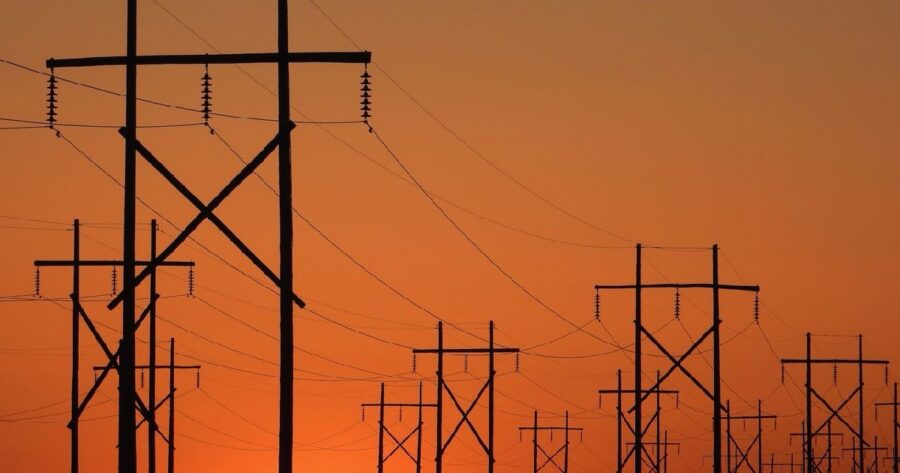
A power outage is one of the few events that can put an entire cold storage inventory at risk in a matter of hours. Unlike a mechanical failure that might only affect a single unit, a power outage takes out refrigeration capacity across an entire facility at once.
Since you can’t always control when the power goes out, the best way to be proactive is by understanding what happens when you lose power and how much time you have to respond. This knowledge can make the difference between a manageable disruption and a significant loss.
How Long Will Your Cold Storage Hold?
When power is lost, refrigeration stops removing heat from a space. However, the space doesn’t warm up right away. Temperature hold time, or the amount of time a cooler or freezer can maintain safe temperatures without active refrigeration, depends on:
- How well-insulated the space is
- How full the space is
- The current outdoor temperatures
- How often the doors are opened during the outage
When a freezer is fully loaded and well-insulated, it can sometimes hold safe temperatures for a surprising number of hours. One that is lightly loaded with poor door seals, on the other hand, can start climbing out of the safe range in a fraction of that time. This is why a generic “you have X hours” isn’t useful. Every facility’s hold time is different, so it’s important to know your specific numbers ahead of time.
Why Full Rooms and Closed Doors Matter
A fully loaded cold storage space holds temperature significantly longer than a lightly loaded one, because the mass of the product itself acts as a thermal buffer. It absorbs heat slowly rather than allowing air temperature to rise. So, if your facility is running near capacity, you’re likely better positioned to get through a short outage than if you were running at partial capacity.
Door traffic has the opposite effect during an outage than it does during normal operations. Every time a door opens during a power loss, warm air is let in, accelerating temperature rise. This is why it’s extremely important to minimize door openings during any outage, even when it’s tempting to check on the product.
Why You Need Temperature Visibility During an Outage
Without power, most standard temperature monitoring systems go down along with everything else. This means that a facility can lose visibility into its own cold storage conditions at the very worst moment. Battery-backed or independently powered temperature monitoring systems can make a difference here, as they continue to log and alter on temperature conditions even when the facility’s main power is down.
Without this kind of independent monitoring, a facility is often left estimating conditions based on elapsed time and general assumptions rather than actual data. This makes it a lot harder to decide whether a product is still safe or needs to be relocated.
Backup Power Only Works If It Can Handle the Load
A backup generator does more than just keep the lights on. For cold storage facilities, it can make the difference between a total loss and a manageable disruption. The key question isn’t simply whether a facility has backup power, but whether that backup power is sized and configured to run refrigeration equipment and not just lighting and basic operations.
Refrigeration equipment often requires significant starting power, which means a generator needs to be sized with that startup demand in mind. A generator that can’t handle a compressor’s startup surge won’t solve the problem it was purchased to prevent. Test backup power regularly to ensure that it will work when you need it to.
Redundancy Gives More Options
Beyond backup power for the facility as a whole, redundancy within the refrigeration system itself adds another layer of protection. Multiple compressors mean that partial system failure won’t necessarily take down an entire cold storage space at once. Facilities with critical cold storage needs typically build this kind of redundancy deliberately, paying a higher upfront cost in exchange for reduced risk.
Make an Emergency Plan Before You Need It
The facilities that handle power outages best are the ones with a clear, written emergency procedure established well before an outage happens, not after. Included in this plan should be the facility’s hold times for each cold storage area, clear protocol for minimizing door openings, knowing how and when backup power engages, and having a plan for which product gets prioritized if hold time is exceeded before power is tested.
Without this kind of plan in place, a power outage forces a facility to make high-stakes decisions in real time, under pressure, with incomplete information. A written plan, reviewed by staff before an emergency happens, replaces that pressure with a clear, practiced response.
Preparing Now, Before the Next Outage
Power outages aren’t fully preventable, but the amount of damage they cause largely is. Understanding your facility’s actual hold times, ensuring monitoring continues to function independently of main power, sizing and testing backup power appropriately, and having a clear emergency procedure in place are all steps that can be taken well before an outage ever happens.
At Central Washington Refrigeration, we help facilities throughout the region assess their power outage preparedness and identify gaps before they become a real problem during an actual emergency. If you’re not confident in how your cold storage system would hold up during an extended power outage, reach out at 509-248-4600 and let’s find out together.