How to Avoid Hotspots and Cold Zones in Industrial Refrigeration
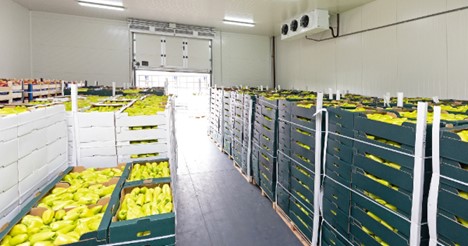
Consistency is critical in industrial refrigeration. Whether you’re storing produce, dairy, or frozen goods, even slight temperature variations can result in spoilage, shortened shelf life, and significant financial loss. According to a 2024 University of Michigan study, poor cold chain management contributes to as much as 620 million metric tons of global food loss annually. Strengthening cold chain systems has the potential to reduce losses of dairy, meat, and produce by up to 63%, protecting both products and profits.
Hotspots and cold zones are two of the most common challenges in large-scale cold storage, but the good news is that with smart design and proper maintenance, they can be avoided. Central Washington Refrigeration has spent over two decades engineering systems that keep products safe, energy costs down, and operations running smoothly. Here’s what you should know about avoiding uneven temperatures in your cold storage facility.
What Causes Hotspots and Cold Zones?
Hotspots occur when certain areas of a refrigerated space are warmer than the rest, while cold zones are pockets where the temperature falls below the intended setpoint. Although they present differently, both problems usually have the same root causes.
Impacted airflow, whether from blocked vents or inefficient circulation, is one of the most common culprits, as it prevents cooling from being evenly distributed. Storage practices also play a role; when products are packed too tightly, air movement is restricted, creating uneven temperatures.
In addition, design limitations such as poorly placed fans, evaporators, or racks can contribute to the problem. Finally, maintenance issues like dirty coils, failing fans, or low refrigerant levels reduce system efficiency and make it harder to maintain consistent cooling.
Strategies to Keep Temperatures Even
Prioritize Smart System Design
The foundation of consistent cooling is a system engineered with airflow in mind. Here at Central Washington Refrigeration, we strategize the placement of fans, ducts, and evaporators. This way, they can eliminate dead zones and ensure every corner of your facility gets uniform coverage.
Maintain Proper Airflow
It’s imperative that your vents, fans, and coils are regularly inspected, as buildup can disrupt circulations. It’s also important to avoid overloading shelves or stacking products in ways that restrict air movement between items.
Invest in Monitoring Technology
Temperature sensors and advanced control systems provide real-time data, helping operators identify hotspots and cold zones quickly. If there is an issue, you’ll receive an automated alert so that you can correct the problem before it affects inventory.
Schedule Routine Maintenance
Preventive maintenance, such as cleaning evaporators, checking refrigerant levels, and inspecting fans, goes a long way toward maintaining consistent temperatures. As with other systems, addressing small issues early helps prevent big problems later.
Train Staff on Best Practices
Operators play a huge role in maintaining efficiency. Train your staff to avoid blocking vents, manage storage density, and report irregularities. Having multiple eyes on your system ensures it performs its best.
Keeping Your Cold Storage Consistent and Reliable
Hotspots and cold zones aren’t just inconveniences—they can mean lost product, wasted energy, and reduced trust in your operation. By combining thoughtful system design, regular maintenance, and smart operational practices, your industrial refrigeration facility can maintain consistent, reliable temperatures that protect both products and profits.
At Central Washington Refrigeration, we specialize in designing and maintaining large-scale cold storage systems that deliver performance you can trust. With over 25 years of expertise, we’re committed to keeping your facility efficient, your products safe, and your operations worry-free. Give us a call today to discuss your project at 509-248-4600.